
Polish Recipes
30 recipesPolish cooking grew up in a land of cold winters, rich farmland and deep forests, and it shows. Potatoes, cabbage, beets, rye, wild mushrooms and pork make up the backbone, along with dairy such as sour cream and twaróg, a fresh curd cheese. Soups come first at most meals, from sour żurek and ruby barszcz to everyday rosół, and dumplings, above all pierogi, appear at every celebration. Fermenting and pickling fill the cellar for winter, so sauerkraut and sour cucumbers turn up beside roasts and cutlets. Lunch is the main meal, often a soup followed by meat, potatoes and a crisp raw salad called surówka. Christmas Eve brings twelve meatless dishes such as barszcz, carp, herring and poppy seed cake, while Easter is marked by white sausage, żurek and yeast cakes. Flavors lean savory, sour and smoky, seasoned with dill, marjoram, caraway and allspice, and desserts are built on apples, cheese, poppy seeds and honey.
Staple ingredients
- potatoes
- cabbage and sauerkraut
- beets
- pork and kiełbasa
- twaróg (fresh curd cheese)
- sour cream
- wild mushrooms
- dill and marjoram
- Breakfast 1
- Appetizers 1
- Soups 6
- Salads 2
- Main Dishes 9
- Side Dishes 1
- Breads 2
- Desserts 5
- Snacks 1
- Drinks 1
- Pickles and Preserves 1
Breakfast
Appetizers
Soups
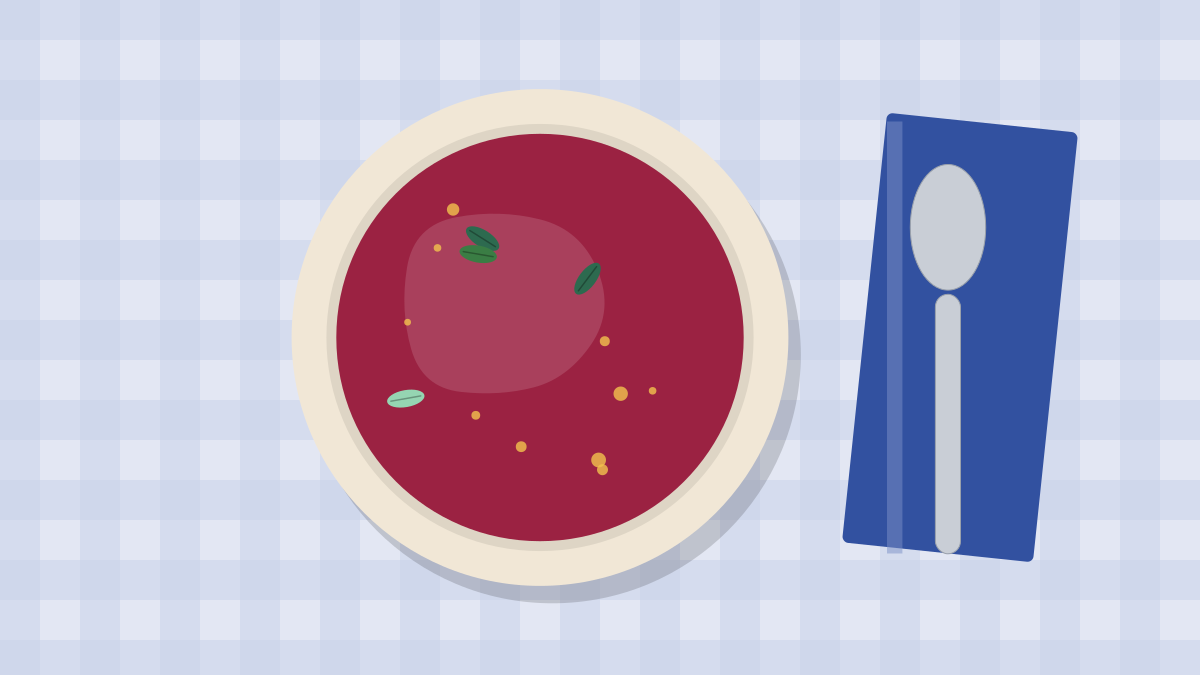 Barszcz Czerwony (Polish Clear Red Beet Soup)PL1 h 40 minEasy
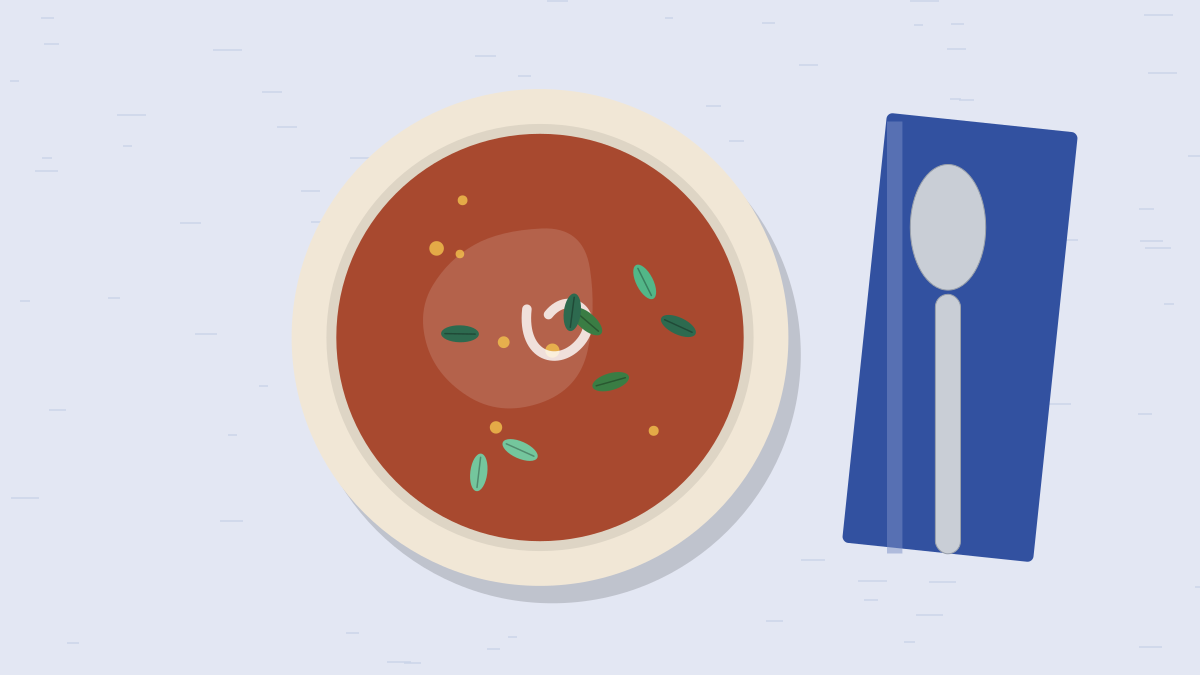 Żurek (Polish Sour Rye Soup with Sausage and Egg)PL1 h 45 minEasy
 Chłodnik (Polish Cold Beet Soup with Buttermilk and Dill)PL1 h 10 minEasy
 Rosół (Polish Chicken Noodle Soup)PL2 h 55 minEasy
 Zupa Ogórkowa (Polish Dill Pickle Soup)PL50 minEasy
 Zupa Pomidorowa (Polish Tomato Soup with Rice)PL50 minEasy
Salads
 Mizeria (Polish Cucumber Salad with Sour Cream and Dill)PL15 minEasy
 Sałatka Jarzynowa (Polish Vegetable Salad)PL1 h 25 minEasy
Main Dishes
 Pierogi Ruskie (Polish Potato and Cheese Dumplings)PL1 h 45 minMedium
 Bigos (Polish Hunter's Stew)PL3 h 40 minEasy
 Gołąbki (Polish Cabbage Rolls in Tomato Sauce)PL2 h 40 minMedium
 Kotlet Schabowy (Polish Breaded Pork Cutlet)PL40 minEasy
 Placki Ziemniaczane (Polish Potato Pancakes)PL50 minEasy
 Fasolka po Bretońsku (Polish White Beans with Smoked Sausage)PL2 hEasy
 Kotlet Mielony (Polish Pan-Fried Meat Patties)PL55 minEasy
 Pierogi z Kapustą i Grzybami (Sauerkraut and Mushroom Pierogi)PL2 h 15 minMedium
 Zrazy Zawijane (Polish Beef Rolls with Bacon and Pickle)PL2 h 40 minMedium
Side Dishes
Breads
 Chleb Żytni na Zakwasie (Polish Rye Sourdough Bread)PL1 h 30 minMedium
 Obwarzanek Krakowski (Kraków-Style Braided Bread Ring)PL1 h 5 minMedium
Desserts
 Pączki (Polish Filled Doughnuts)PL1 h 5 minMedium
 Makowiec (Polish Poppy Seed Roll)PL1 h 45 minMedium
 Mazurek Kajmakowy (Polish Easter Caramel and Nut Shortcrust Cake)PL1 h 30 minMedium
 Sernik (Polish Baked Cheesecake)PL2 h 10 minMedium
 Szarlotka (Polish Apple Cake with Grated Shortcrust Topping)PL1 h 55 minMedium
Snacks
Drinks
Pickles and Preserves

Common questions
What is Polish food known for?
Pierogi (filled dumplings), bigos (hunter's stew), żurek and barszcz soups, kiełbasa sausages, gołąbki and potato dishes such as placki ziemniaczane. Sour flavors from sauerkraut, pickles and sour cream, plus dill and marjoram, run through the cuisine.
What is the national dish of Poland?
There is no official one. Pierogi are the most famous abroad, and bigos is often called the national stew. Many Poles would also name kotlet schabowy, a breaded pork cutlet served with potatoes and cabbage salad.
Is Polish food spicy?
No. It is hearty, savory and often sour or smoky, with mild seasoning such as pepper, marjoram, caraway and allspice. Mustard and horseradish are the only real heat, and they are added at the table.