
Burundian Recipes
5 recipesBurundian cooking is simple, home-based and built on what grows in the highlands. Beans are the staple, eaten daily with cooked plantain, cassava, sweet potato, maize or rice, and the national dish is ibiharage, red beans fried with onion and palm oil. Bananas and plantains are everywhere, boiled, fried or cooked into stews. Lake Tanganyika provides fish such as mukeke and the tiny ndagala, which are grilled, fried or cooked in tomato and onion. Meat is a luxury, and goat is the most common when it is eaten. Pili pili, a fresh hot sauce of chili, lemon and garlic, goes on the table with most meals. Doughnuts called amandazi are eaten with tea, and fresh pineapple and bananas are the usual dessert. Coffee and tea are major crops and are drunk sweet. Meals are eaten at home, from shared dishes, and are plain on purpose, with flavor from onion, garlic, chili and palm oil.
Staple ingredients
- beans
- plantains and bananas
- cassava
- sweet potatoes
- maize
- lake fish
- red palm oil
- chili
Main Dishes
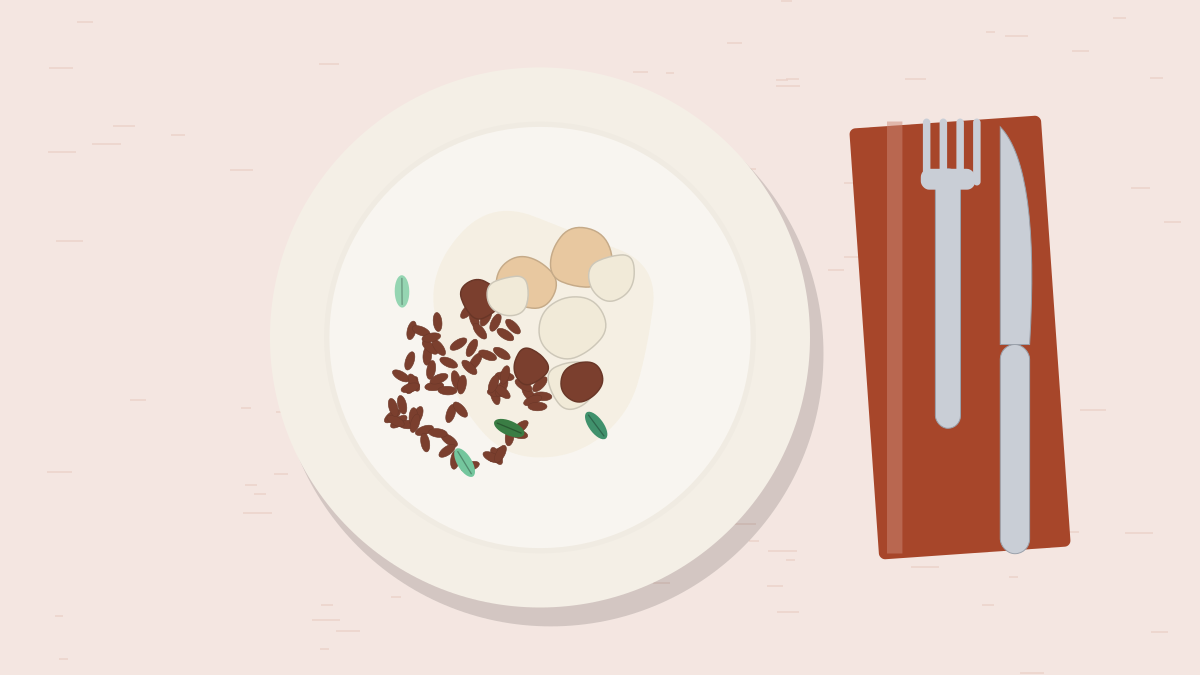 Ibiharage (Burundian Red Beans in Palm Oil)BI2 hEasy
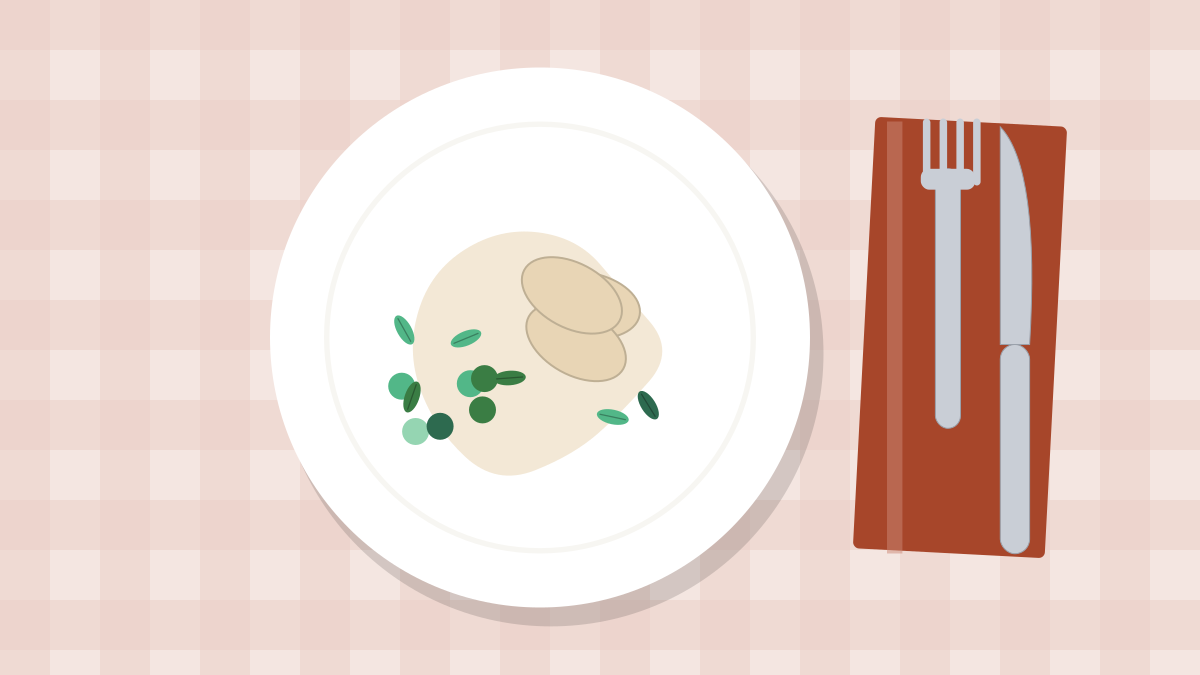 Mukeke (Burundian Whole Fish in Tomato and Onion Sauce)BI50 minEasy
Side Dishes
Snacks
Sauces, Dips and Condiments
Common questions
What is Burundian food known for?
Red beans fried in palm oil (ibiharage), plantains, fresh fish from Lake Tanganyika and a hot chili and lemon sauce called pili pili.
What is the national dish of Burundi?
Ibiharage, red beans cooked until soft and fried with onion and palm oil. It is usually served with fried plantain, cassava or rice.
Is Burundian food spicy?
The dishes themselves are mild. Heat is added at the table with pili pili, a fresh and very hot sauce made from chilies, garlic and lemon.