
Palestinian Recipes
14 recipesPalestinian cooking is the food of olive groves, hill terraces and Mediterranean shores, shaped by the seasons and by village life. Olive oil is at the center of the kitchen, along with za'atar, sumac, tahini, lemon, garlic and chickpeas. Each area has its own specialties: musakhan from the northern hills, knafeh from Nablus, qidreh from Hebron and a Gaza kitchen of fish, chili, dill seed and sumac stews cooked in clay pots. Wheat appears as maftoul (hand-rolled couscous), freekeh (roasted green wheat) and bulgur, and bread is baked in the taboon oven. Meals are generous and shared, with small plates of salads, dips and pickles surrounding one big platter of rice or stew. Autumn is the olive harvest, when families press their oil and cook musakhan. Ramadan brings qatayef and knafeh, and cookies filled with dates or nuts are baked for Eid. Hospitality means a table that is never empty.
Staple ingredients
- olive oil
- za'atar and sumac
- tahini
- chickpeas
- freekeh and bulgur
- lemon
- lamb and chicken
- yogurt and white cheese
Breakfast
Salads
Main Dishes
 Maqluba (Upside-Down Rice with Chicken and Eggplant)PS2 h 10 minMedium
 Musakhan (Sumac Chicken and Onions on Flatbread)PS1 h 35 minMedium
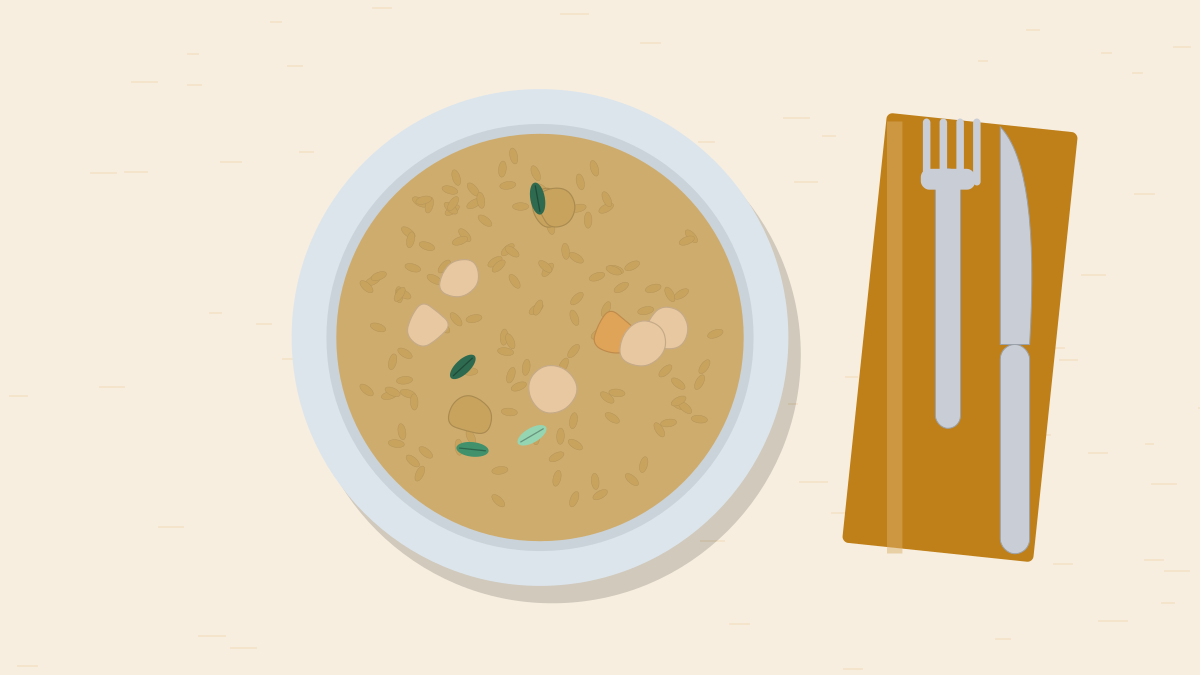 Freekeh bi Djaj (Smoky Green Wheat Pilaf with Chicken)PS1 h 55 minMedium
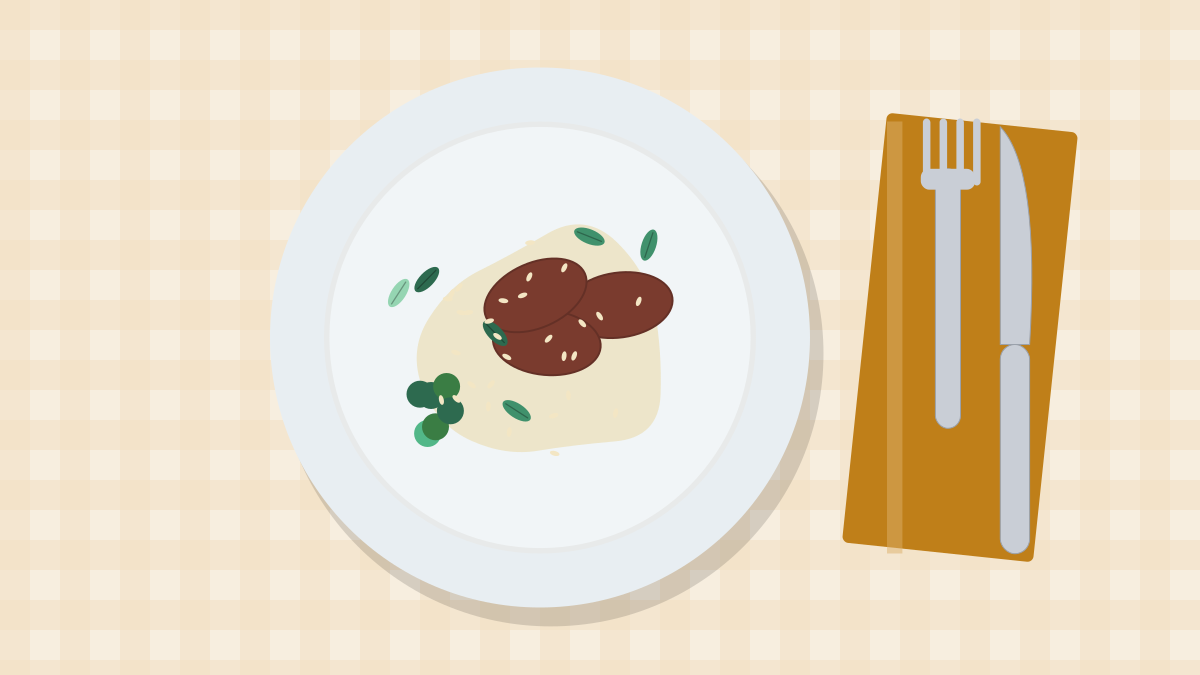 Kufta bi Tahini (Baked Meatballs and Potatoes in Tahini Sauce)PS1 h 20 minEasy
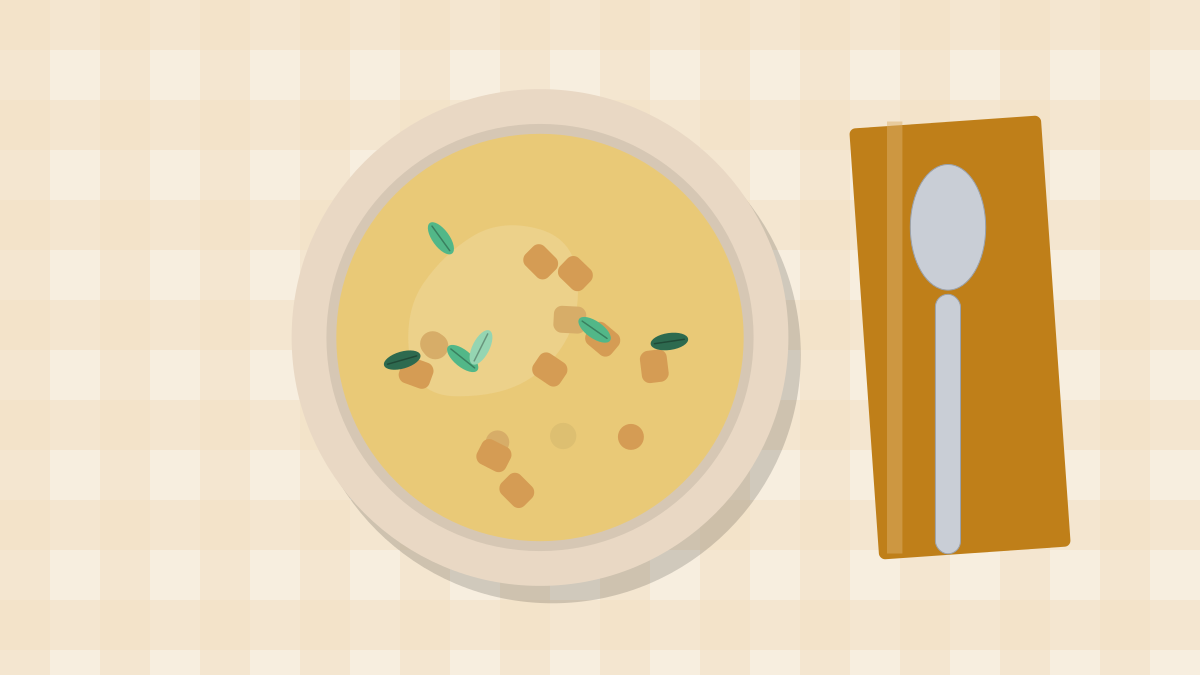 Maftoul (Hand-Rolled Couscous with Chicken and Chickpeas)PS2 hMedium
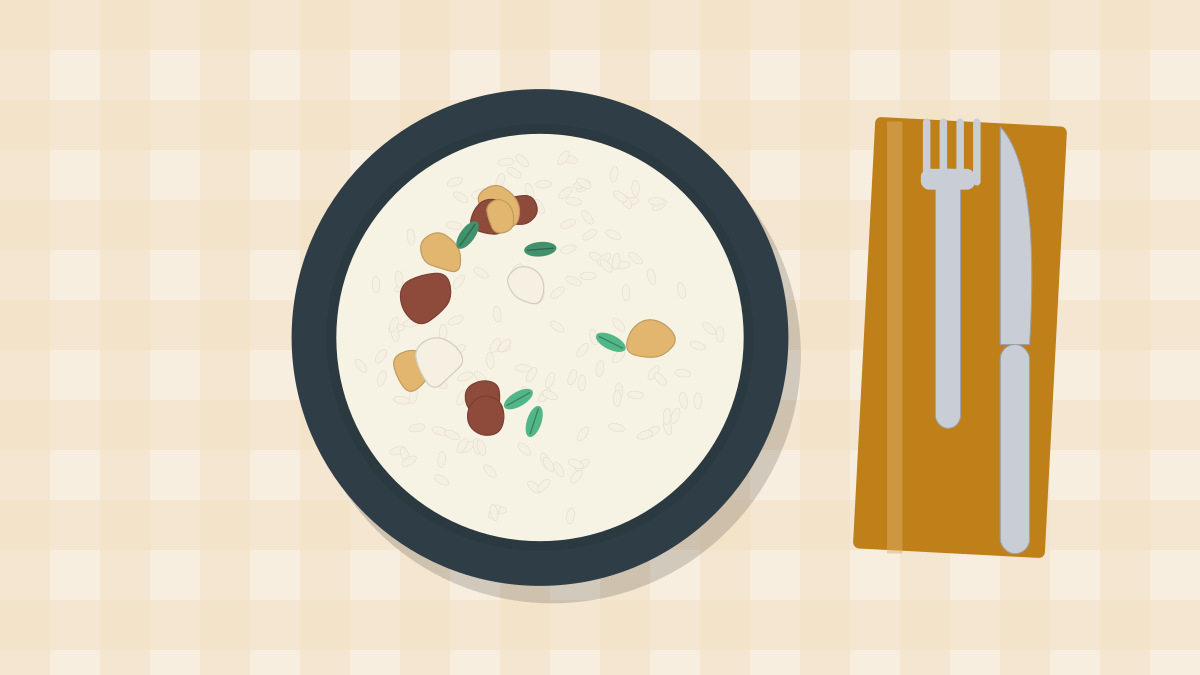 Qidreh (Palestinian Spiced Lamb and Rice Pot)PS3 hMedium
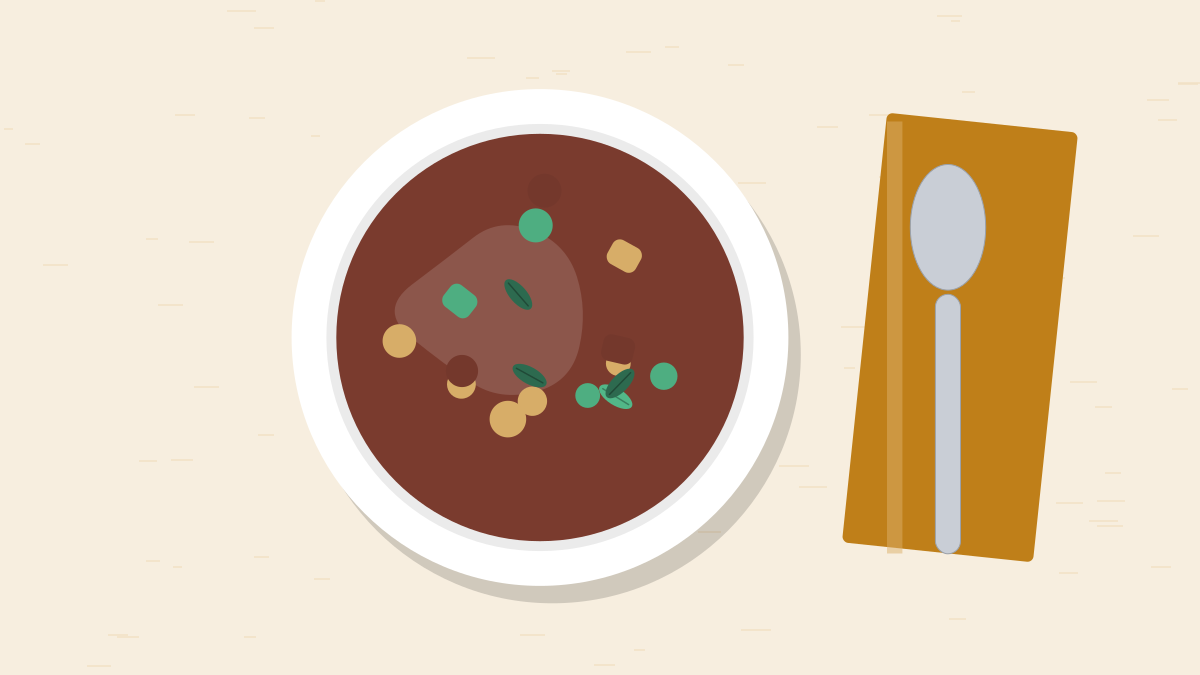 Sumaghiyyeh (Sumac, Tahini and Chard Stew)PS2 h 10 minMedium
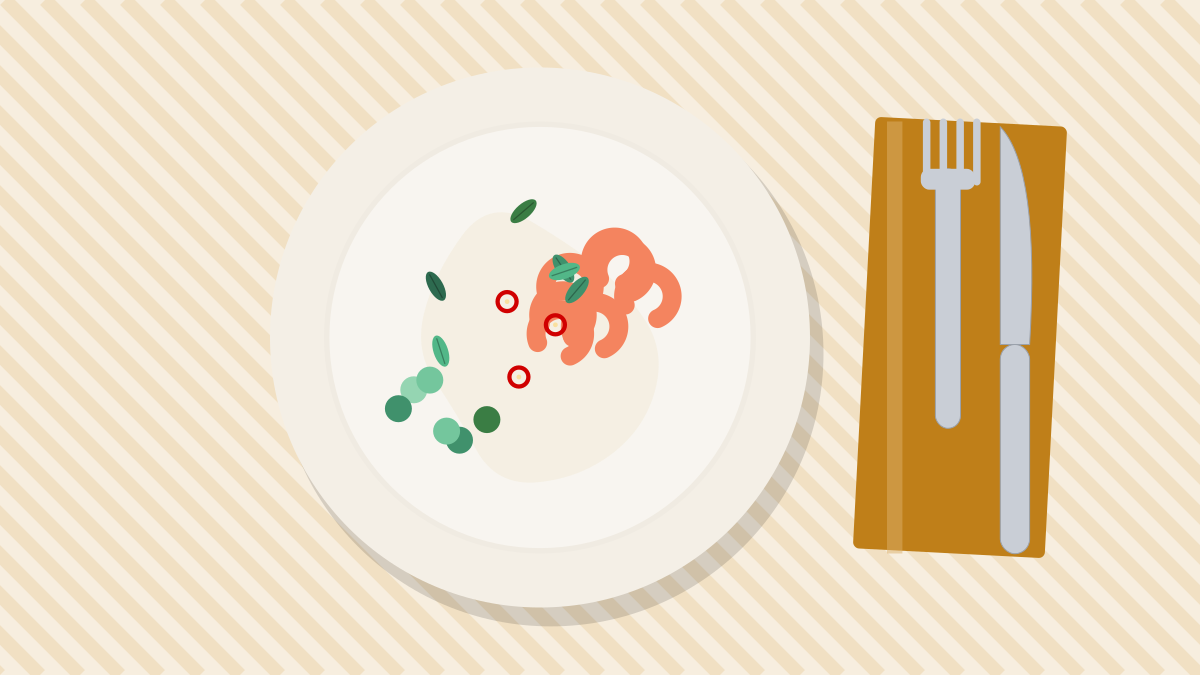 Zibdiyet Gambari (Gaza Clay-Pot Shrimp with Tomato and Chili)PS1 hEasy
Breads
Desserts
 Knafeh Nabulsiyeh (Cheese Knafeh with Crisp Pastry and Syrup)PS1 h 25 minMedium
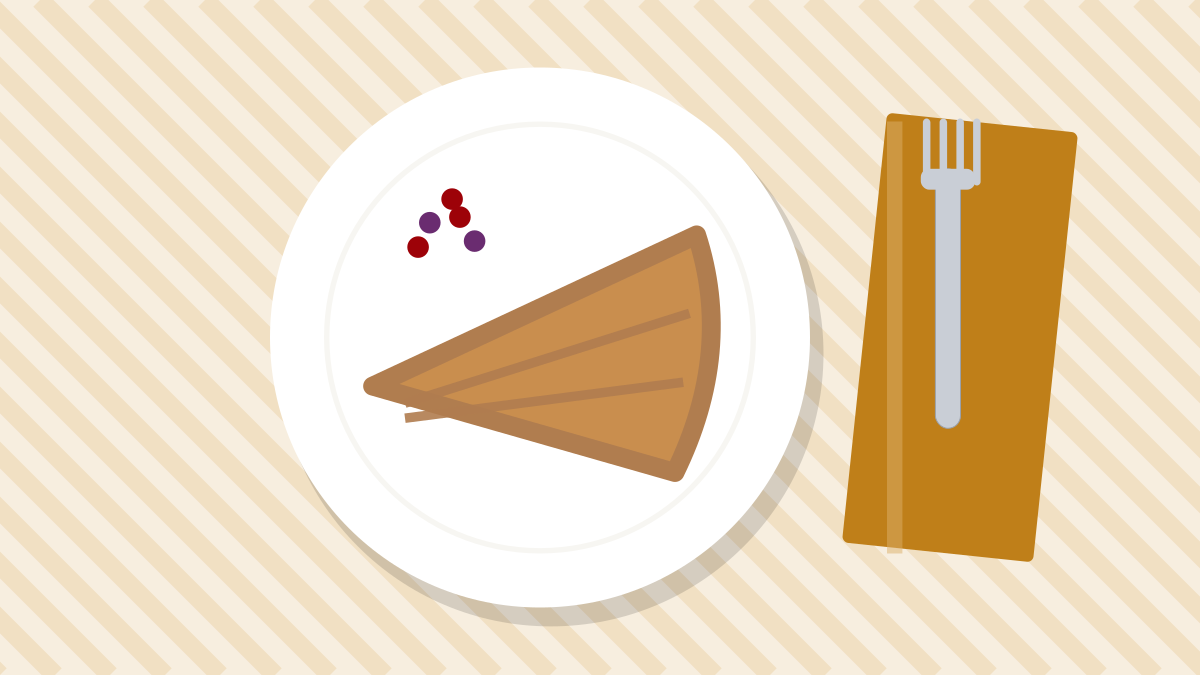 Qatayef (Stuffed Ramadan Pancakes with Cheese or Walnuts)PS1 h 40 minMedium
Snacks

Common questions
What is Palestinian food known for?
Musakhan (sumac chicken and onions on flatbread), maqluba (upside-down rice), maftoul, knafeh Nabulsiyeh and a table of salads and dips built on olive oil, za'atar and tahini.
What is the national dish of Palestine?
Musakhan is the dish most often named, and maqluba is the other great favorite. Both are cooked for family gatherings, and musakhan is tied to the autumn olive oil harvest.
Is Palestinian food spicy?
Generally mild. Heat comes from fresh green or red chilies served on the side, and from Gaza cooking, where chili, garlic and dill seed are used freely.