
Santomean Recipes
5 recipesSão Tomé and Príncipe are two volcanic islands in the Gulf of Guinea, and their cooking joins African traditions with a Portuguese colonial legacy. Cocoa, coffee and coconut grow here, but daily meals rest on cooked banana, breadfruit, cassava, taro and maize, served beside fish and a sauce. The sea provides tuna, grouper, flying fish and prawns, often grilled or smoked and then stewed. Palm oil colors and flavors many dishes, and hot chilies such as malagueta and jindungo are used with care. Calulu, a slow-cooked stew of smoked fish or meat with okra, eggplant and greens, is the national dish and appears at family meals and celebrations. Street food includes fried banana, corn on the cob and cocoyam crisps, and sweets rely on coconut, peanuts and banana. Coffee even finds its way into sauces for chicken. Palm wine, sugarcane spirit and honey punch are common drinks, and meals often end with fresh fruit.
Staple ingredients
- bananas and plantains
- breadfruit
- cassava
- taro (matabala)
- fish and seafood
- palm oil
- coconut
- malagueta and jindungo chili
Breakfast
Soups
Main Dishes
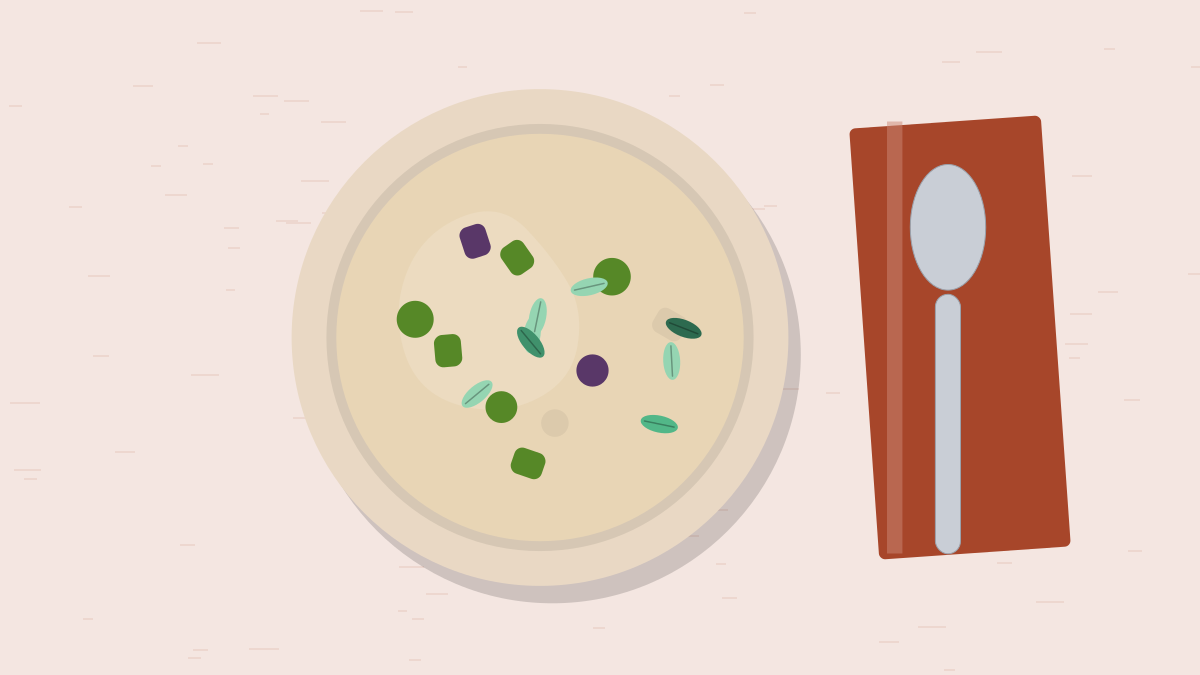 Calulu (São Tomé Smoked Fish and Greens Stew)ST1 h 20 minMedium
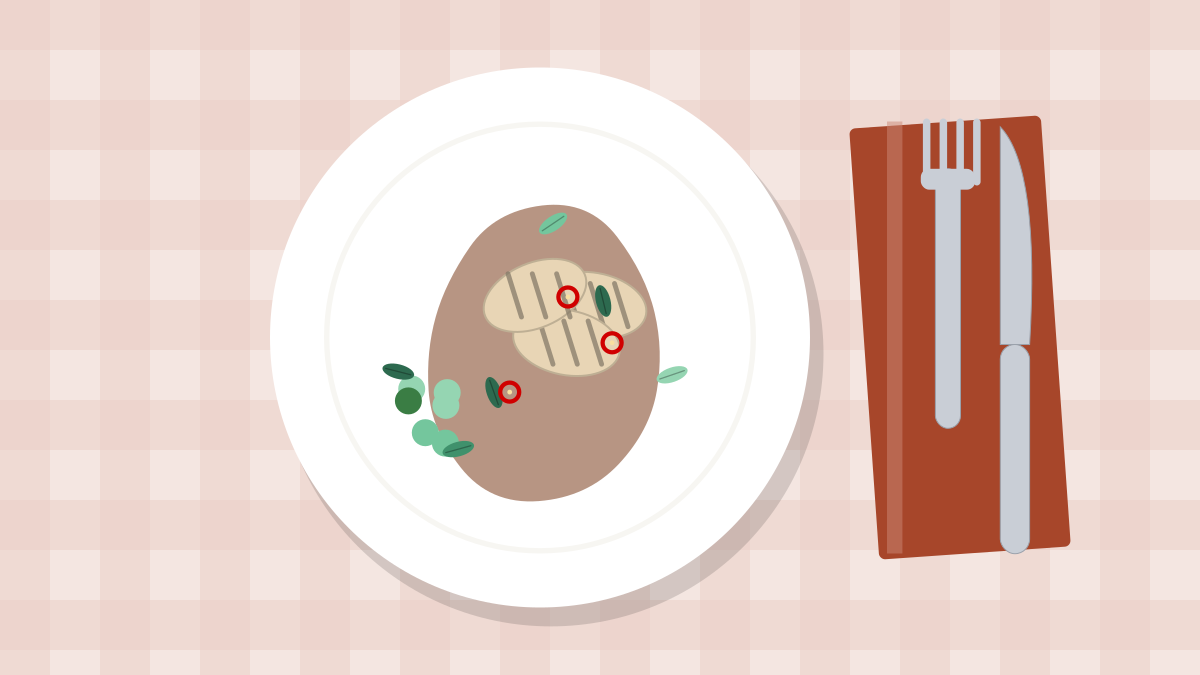 Barriga de Peixe (São Tomé Grilled Fish with Piri-Piri)ST30 minEasy
Side Dishes
Common questions
What is Santomean food known for?
Calulu (a slow-cooked stew of fish or meat with okra, eggplant and greens), grilled fish with piri-piri, cooked banana and breadfruit, and sweets made with coconut and peanuts.
What is the national dish of São Tomé and Príncipe?
Calulu. Cooks simmer smoked fish or meat with okra, eggplant, tomato and leafy greens in palm oil, then serve it with rice, funge or mashed banana.
Is Santomean food spicy?
It can be. Malagueta and jindungo chilies go into stews and piri-piri sauce, but they are usually added with care or served on the side, so the heat is easy to control.