
Vietnamese Recipes
40 recipesVietnamese cooking is built on balance: sweet, salty, sour, spicy and bitter notes, hot and cool, soft and crunchy, all in a single meal. Rice is the base, eaten as steamed grains, noodles, rice paper and sticky rice. Fish sauce, lime, chili and a heap of fresh herbs supply most of the seasoning, and many plates arrive with lettuce, mint and basil for wrapping or tossing in. The north, around Hanoi, favors clear broths and restrained sweetness. The center, around Huế and Hội An, cooks bolder and spicier food, shaped by the old imperial kitchen. The south, from Saigon through the Mekong Delta, leans sweeter and uses plenty of coconut milk and fresh herbs. Baguettes, pâté and coffee arrived during the French colonial period and were reshaped into bánh mì and cà phê sữa đá. Street food is part of daily life, and Tết, the Lunar New Year, brings sticky rice cakes, braised pork and pickles to every table.
Staple ingredients
- rice and rice noodles
- fish sauce
- fresh herbs (mint, basil, cilantro)
- lime
- lemongrass
- chilies
- coconut milk
- pork and beef
- Breakfast 3
- Appetizers 4
- Soups 6
- Salads 1
- Main Dishes 17
- Side Dishes 1
- Desserts 3
- Drinks 3
- Sauces, Dips and Condiments 1
- Pickles and Preserves 1
Breakfast
 Bánh Cuốn (Steamed Rice Rolls with Pork and Mushroom)VN1 h 20 minMedium
 Cháo Gà (Vietnamese Chicken and Ginger Rice Porridge)VN2 hEasy
 Xôi Xéo (Sticky Rice with Mung Bean and Fried Shallots)VN1 h 10 minMedium
Appetizers
 Gỏi Cuốn (Vietnamese Fresh Spring Rolls)VN1 h 20 minMedium
 Chả Giò (Vietnamese Crispy Fried Spring Rolls)VN1 h 45 minMedium
 Bánh Khọt (Mini Crispy Shrimp Pancakes)VN1 h 5 minMedium
 Nem Lụi (Huế Lemongrass Pork Skewers)VN55 minMedium
Soups
 Phở Bò (Vietnamese Beef Noodle Soup)VN4 hMedium
 Bún Bò Huế (Hue Spicy Beef and Pork Noodle Soup)VN3 h 40 minMedium
 Bún Riêu (Vietnamese Crab and Tomato Noodle Soup)VN2 h 40 minMedium
 Canh Chua Cá (Mekong Sweet and Sour Fish Soup)VN45 minEasy
 Hủ Tiếu (Southern Vietnamese Pork and Shrimp Noodle Soup)VN3 hMedium
 Miến Gà (Vietnamese Chicken and Glass Noodle Soup)VN1 h 55 minEasy
Salads
Main Dishes
 Bánh Mì Thịt Nướng (Vietnamese Grilled Pork Sandwich)VN45 minEasy
 Bánh Xèo (Vietnamese Crispy Turmeric Pancakes)VN1 h 10 minMedium
 Bò Lúc Lắc (Vietnamese Shaking Beef)VN25 minEasy
 Bún Chả (Hanoi Grilled Pork with Rice Vermicelli)VN1 hMedium
 Bún Thịt Nướng (Vietnamese Grilled Pork Noodle Bowl)VN55 minEasy
 Cơm Tấm Sườn Nướng (Broken Rice with Grilled Pork Chops)VN55 minEasy
 Bánh Chưng (Vietnamese Square Sticky Rice Cake for Tết)VN7 h 25 minChallenging
 Bò Kho (Vietnamese Beef Stew with Star Anise and Lemongrass)VN2 h 25 minMedium
 Cao Lầu (Hội An Noodles with Pork and Greens)VN1 h 45 minMedium
 Chả Cá (Hanoi Turmeric Fish with Dill and Spring Onions)VN55 minMedium
 Cà Ri Gà (Vietnamese Coconut Chicken Curry)VN1 h 25 minEasy
 Cá Kho Tộ (Caramelized Clay Pot Fish)VN50 minMedium
 Cơm Gà Hội An (Hội An Chicken Rice with Herb Salad)VN1 h 25 minMedium
 Gà Xào Sả Ớt (Lemongrass and Chili Stir-Fried Chicken)VN35 minEasy
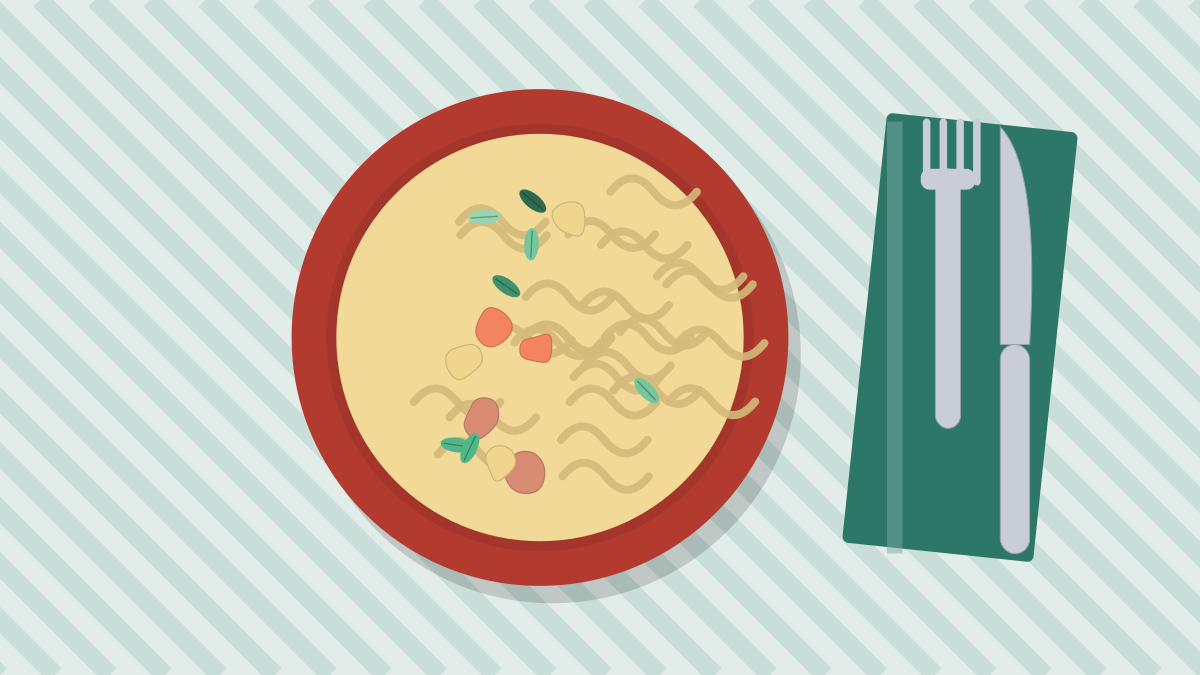 Mì Quảng (Central Vietnamese Turmeric Noodles with Pork and Shrimp)VN1 h 15 minMedium
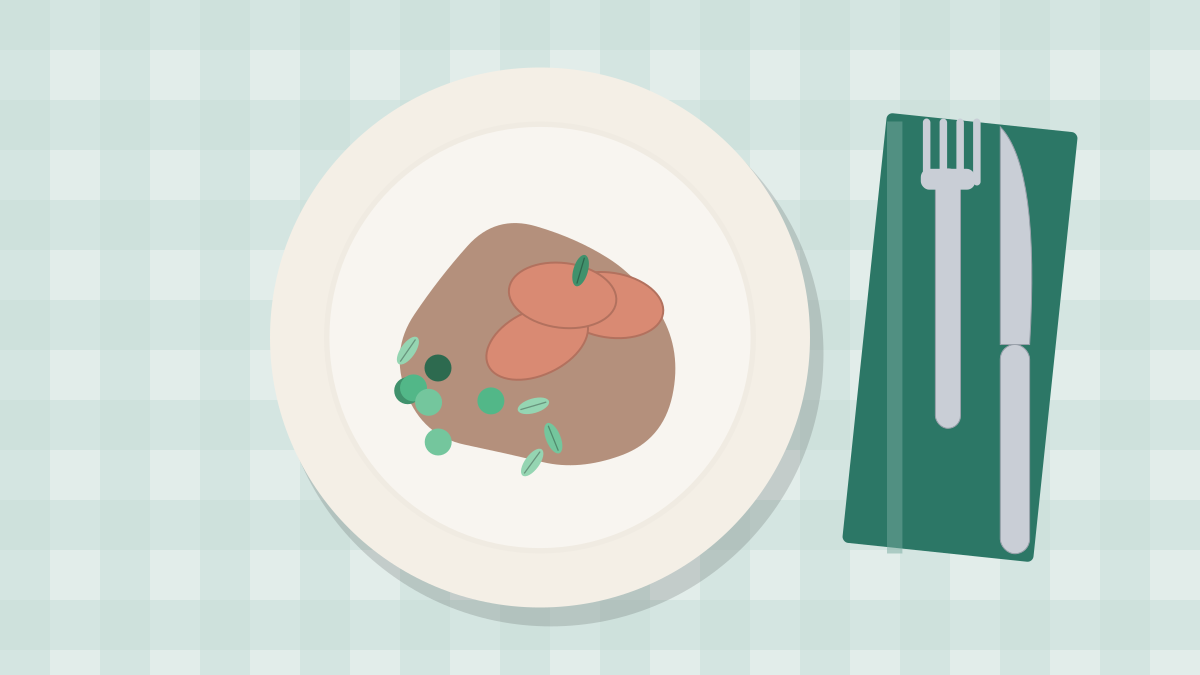 Thịt Kho Trứng (Vietnamese Caramelized Pork and Eggs)VN2 h 5 minMedium
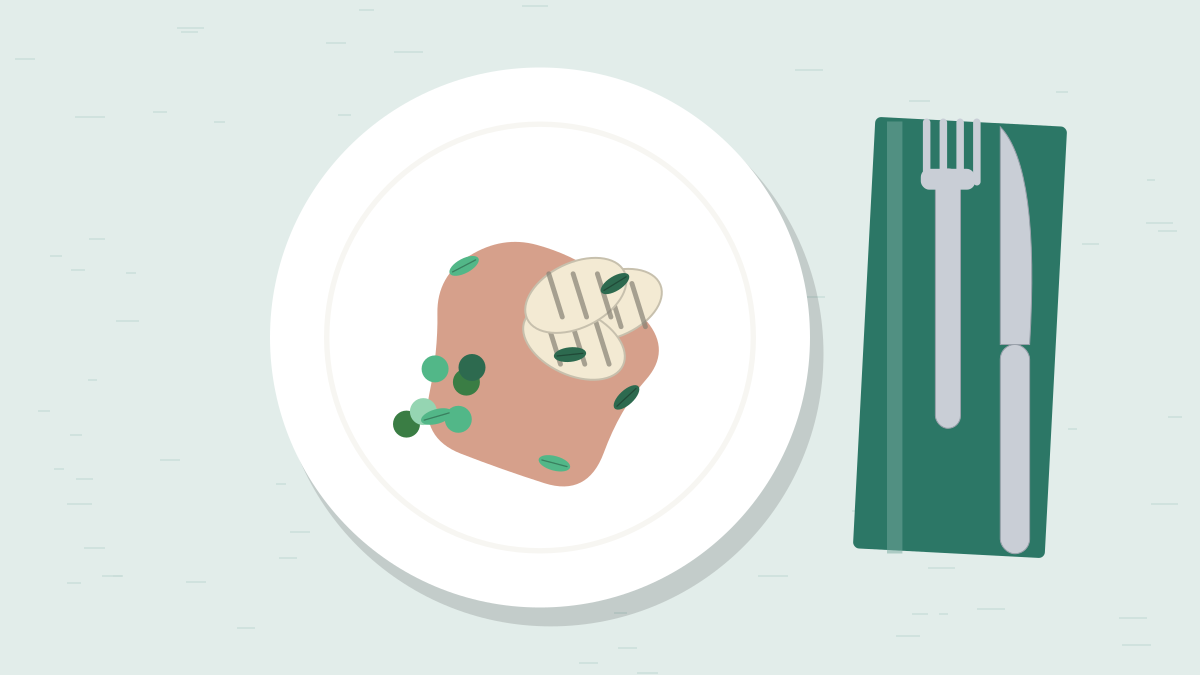 Đậu Hũ Sốt Cà Chua (Vietnamese Tofu in Tomato Sauce)VN45 minEasy
Side Dishes
Desserts
 Bánh Flan (Vietnamese Caramel Custard)VN1 h 5 minMedium
 Chè Ba Màu (Vietnamese Three-Color Dessert)VN2 hMedium
 Chè Chuối (Banana and Tapioca Pearls in Coconut Milk)VN50 minEasy
Drinks
 Cà Phê Sữa Đá (Vietnamese Iced Coffee with Condensed Milk)VN11 minEasy
 Cà Phê Trứng (Hanoi Egg Coffee)VN15 minEasy
 Sinh Tố Bơ (Vietnamese Avocado Smoothie)VN10 minEasy
Sauces, Dips and Condiments
Pickles and Preserves
Common questions
What is Vietnamese food known for?
Fresh herbs, light broths, rice noodles and a careful balance of sweet, salty, sour and spicy. The best-known dishes are phở, bánh mì, gỏi cuốn (fresh rolls), bún chả and cà phê sữa đá (iced coffee with condensed milk).
What is the national dish of Vietnam?
There is no official one, but phở is the dish most people name first. Many Vietnamese would also point to bánh mì or a plate of cơm tấm (broken rice with grilled pork) as everyday favorites.
Is Vietnamese food spicy?
Mostly mild. Fresh chilies and chili sauce are served on the side so each person sets the heat. The central region, especially around Huế, cooks the spiciest food in the country.