
Persian Recipes
35 recipesPersian cooking is built on balance: sour against sweet, rich against fresh, and every pot seasoned with patience. Rice is the center of the meal, steamed until each grain separates and topped with a golden crust called tahdig. Beside it come khoresh, slow stews that pair meat with herbs, fruit, nuts or vegetables, such as ghormeh sabzi, fesenjan and gheymeh. Saffron, dried limes, pomegranate molasses, barberries, turmeric and cinnamon supply the flavor, while a plate of fresh herbs, radishes, walnuts and bread sits on the table at most meals. Kebabs are grilled over charcoal and served with rice, grilled tomatoes and sumac. Yogurt turns up as dips, drinks and cold soups, and eggplant is cooked a dozen ways. Sweets are scented with rose water, cardamom and saffron. Nowruz, the Persian New Year, brings herb rice with fish, and Yalda night calls for pomegranates and watermelon. Gilan in the north leans on garlic and herbs, while the southern coast cooks hot, tamarind-sour fish dishes.
Staple ingredients
- rice
- saffron
- fresh herbs
- pomegranate molasses
- dried limes
- walnuts
- yogurt
- eggplant
- Breakfast 1
- Appetizers 4
- Soups 2
- Salads 2
- Main Dishes 15
- Side Dishes 2
- Breads 1
- Desserts 5
- Drinks 2
- Pickles and Preserves 1
Breakfast
Appetizers
 Dolmeh Barg-e Mo (Persian Stuffed Grape Leaves)IR2 h 30 minMedium
 Kashk-e Bademjan (Persian Fried Eggplant and Whey Dip)IR1 h 10 minMedium
 Kuku Sabzi (Persian Herb Frittata)IR50 minEasy
 Mirza Ghasemi (Smoky Eggplant, Tomato and Garlic Dip)IR1 h 15 minEasy
Soups
 Ash Reshteh (Persian Noodle, Bean and Herb Soup)IR2 h 20 minMedium
 Ab Doogh Khiar (Persian Cold Yogurt and Cucumber Soup)IR15 minEasy
Salads
 Salad Olivieh (Persian Chicken and Potato Salad)IR1 h 10 minEasy
 Salad Shirazi (Persian Cucumber, Tomato and Onion Salad)IR15 minEasy
Main Dishes
 Fesenjan (Persian Pomegranate and Walnut Chicken Stew)IR2 h 35 minMedium
 Gheymeh (Persian Split Pea and Beef Stew)IR3 hMedium
 Ghormeh Sabzi (Persian Herb and Kidney Bean Stew)IR3 hMedium
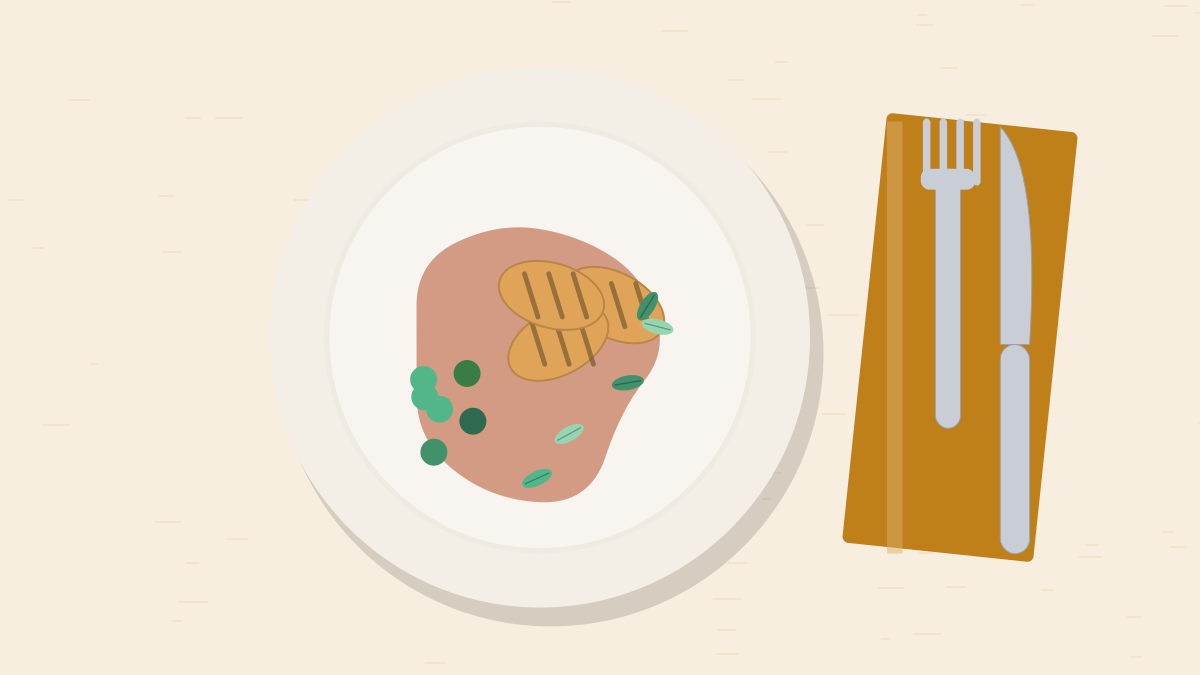 Joojeh Kabab (Persian Saffron Chicken Kebab)IR40 minEasy
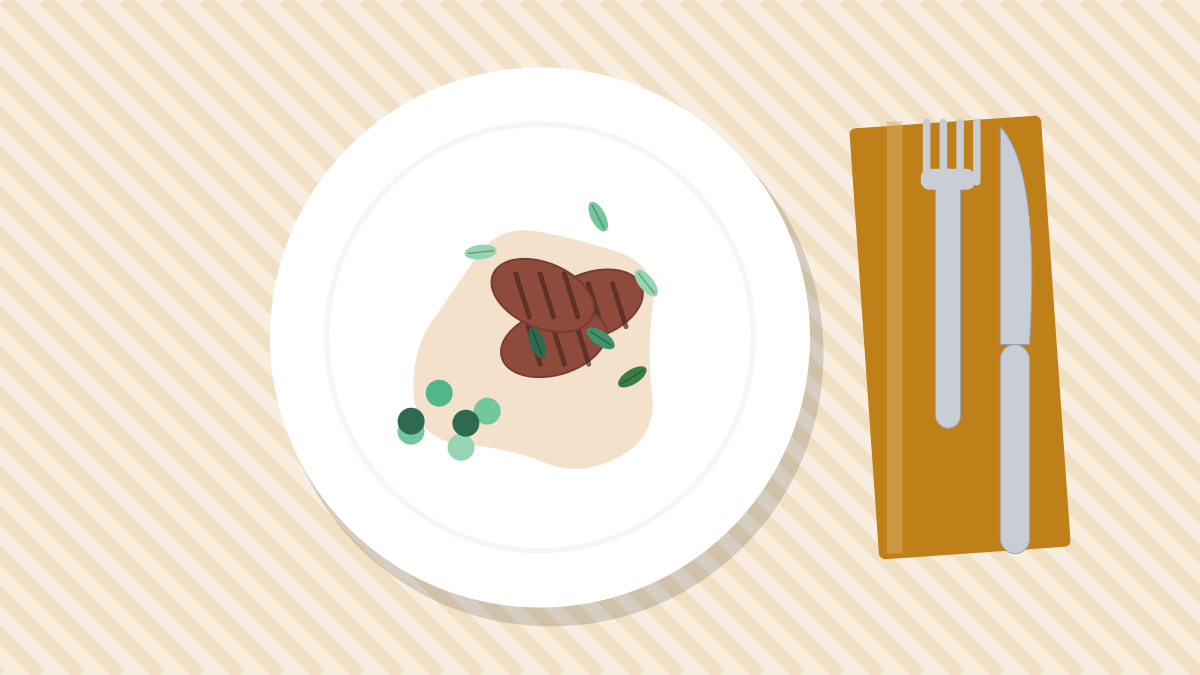 Kabab Koobideh (Persian Ground Meat Kebab)IR42 minMedium
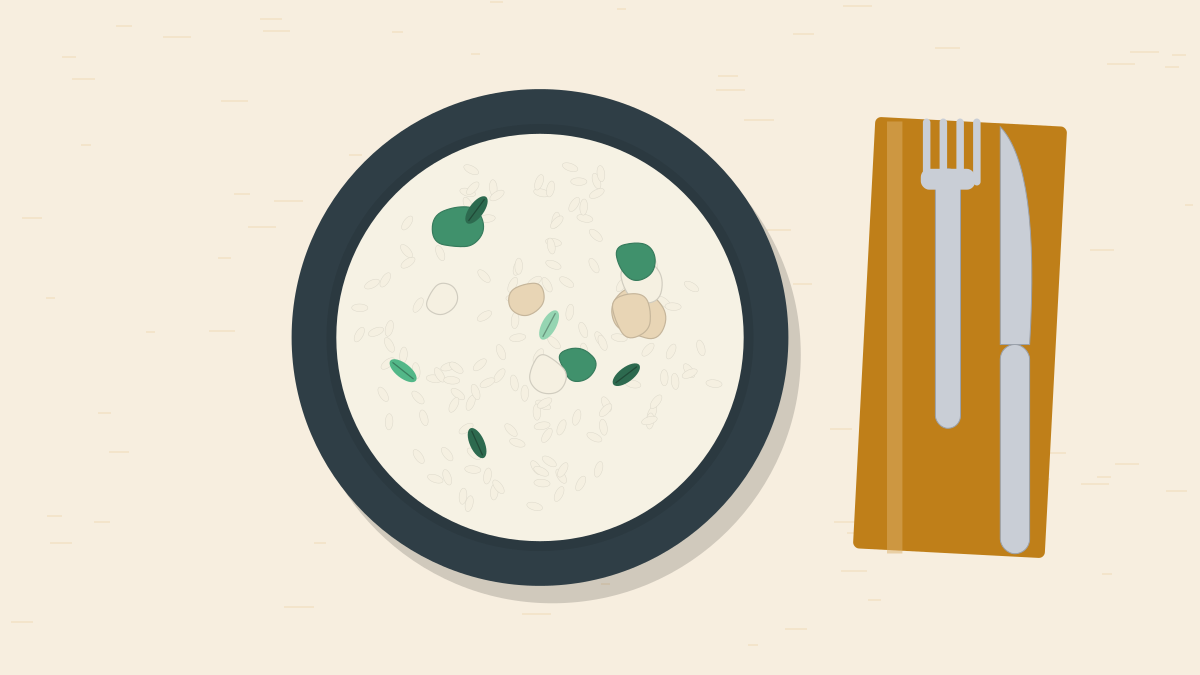 Sabzi Polo ba Mahi (Persian Herb Rice with Fried Fish)IR1 h 50 minMedium
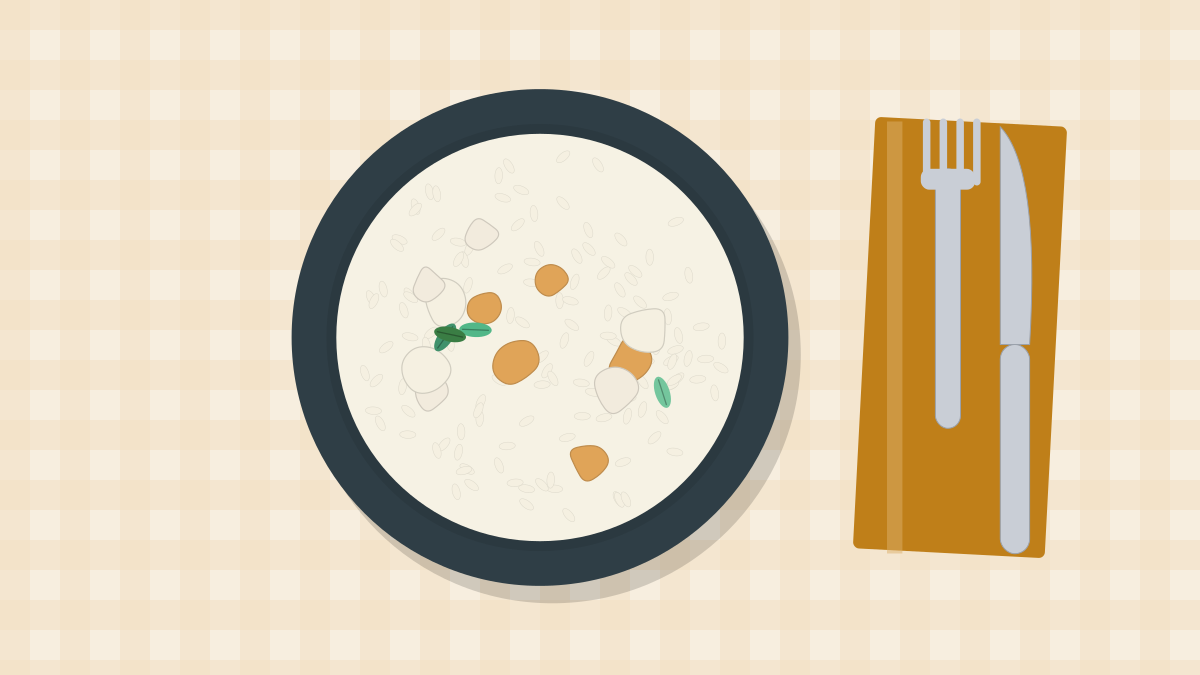 Zereshk Polo ba Morgh (Barberry Rice with Saffron Chicken)IR2 h 10 minMedium
 Abgoosht (Persian Lamb and Chickpea Stew)IR3 h 20 minEasy
 Baghali Polo ba Mahicheh (Dill and Fava Bean Rice with Lamb Shanks)IR3 h 30 minMedium
 Khoresh Bademjan (Persian Eggplant and Tomato Stew)IR2 h 20 minMedium
 Khoresh Karafs (Persian Celery and Herb Stew)IR2 h 55 minMedium
 Kotlet (Persian Beef and Potato Patties)IR1 h 25 minEasy
 Loobia Polo (Persian Green Bean and Beef Rice)IR2 h 35 minMedium
 Tahchin (Persian Saffron Chicken and Yogurt Rice Cake)IR2 h 20 minMedium
 Ghalieh Mahi (Southern Persian Fish and Tamarind Stew)IR1 h 10 minMedium
Side Dishes
 Chelo ba Tahdig (Persian Steamed Rice with Crispy Bottom)IR1 h 25 minMedium
 Mast-o Khiar (Persian Yogurt with Cucumber and Mint)IR10 minEasy
Breads
Desserts
 Bastani Sonnati (Persian Saffron and Pistachio Ice Cream)IR45 minMedium
 Faloodeh (Persian Frozen Rice Noodle and Rose Water Sorbet)IR30 minEasy
 Nan-e Nokhodchi (Persian Chickpea Flour Cookies)IR58 minMedium
 Sholeh Zard (Persian Saffron Rice Pudding)IR1 h 55 minEasy
 Zoolbia (Persian Fried Syrup Lattices)IR1 hMedium
Drinks
 Doogh (Persian Salted Yogurt and Mint Drink)IR5 minEasy
 Sekanjabin (Persian Mint and Vinegar Syrup Drink)IR40 minEasy
Pickles and Preserves
Common questions
What is Persian food known for?
Fluffy saffron rice with crispy tahdig, slow-cooked herb and fruit stews called khoresh, charcoal-grilled kebabs and sweets scented with rose water. Fresh herbs, yogurt and pomegranate appear in almost every meal.
What is the national dish of Iran?
There is no official one. Chelo kabab, grilled kebab with steamed rice, is the dish most visitors associate with Iran, while many Iranians would name ghormeh sabzi as their favorite home meal.
Is Persian food spicy?
Generally not. Persian cooking favors aromatic and sour flavors such as saffron, turmeric, dried limes and pomegranate, and chili is served on the side. The southern coast cooks the hottest food in the country.