Moro de Guandules con Coco (Dominican Pigeon Pea and Coconut Rice)
Local name: Moro de guandules con coco
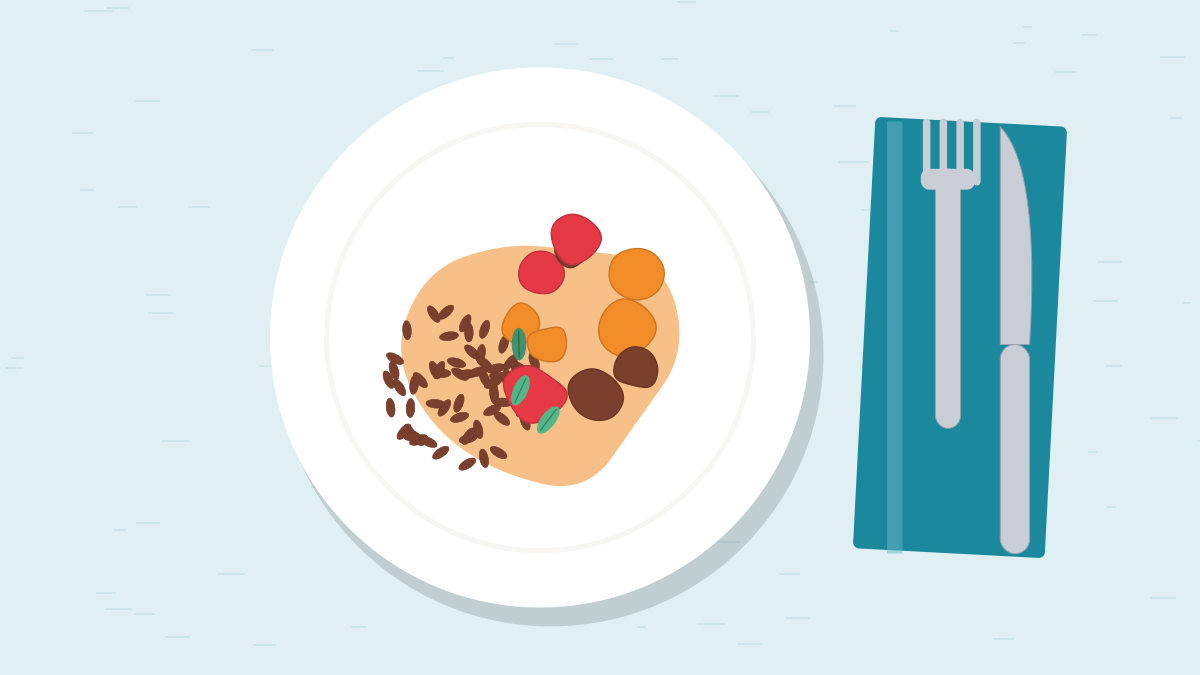
In short: Long-grain rice cooked with green pigeon peas, coconut milk, sofrito and cilantro, finished with a golden crust at the bottom of the pot. It takes about 1 h in total and makes 6 servings.
- Prep
- 15 min
- Cook
- 45 min
- Total
- 1 h
- Servings
- 6
- Difficulty
- Easy
- Calories
- 450 kcal
Moro de guandules is a Dominican one-pot rice made with pigeon peas (guandules), onion, peppers, cilantro and tomato paste, and in the north and on holidays, coconut milk too. Rice, sofrito and peas cook together until the grains are separate and fragrant, while a crisp crust called concón forms on the bottom. It is served at Sunday lunches, Christmas and New Year with roast pork or chicken, and it sits happily on any plate of la bandera.
Instructions
- Heat the oil in a wide, heavy pot over medium heat. Cook the onion and pepper for 5 minutes until soft. Add the garlic, tomato paste, oregano and half of the cilantro and cook for 2 minutes.
- Stir in the pigeon peas and olives and cook for 2 minutes.
- Add the rice and stir for 1 minute to coat the grains with the sofrito.
- Pour in the coconut milk and water, add the salt and stir once. Bring to a boil.
- Cook uncovered over medium heat, without stirring, until the liquid has been absorbed and small holes form on the surface, 8 to 10 minutes.
- Turn the rice gently from bottom to top once, then cover tightly, lower the heat to the lowest setting and cook for 20 to 25 minutes. A golden crust (concón) should form on the bottom.
- Stir in the remaining cilantro and fluff the rice. Scrape up the crust and serve it on the side.
Tips
- Canned or frozen pigeon peas are sold in Latin and Caribbean markets. Cooked black-eyed peas or green peas can replace them.
- For a version without coconut, use 700 ml (3 cups) of water in place of the coconut milk and water, as is common in much of the country.
Questions and answers
What is concón?
Concón is the crisp, golden layer of rice that forms at the bottom of the pot. Dominicans prize it, and it is often scraped out and served as a treat.
What is the difference between moro and locrio?
Moro is rice cooked with beans or peas, while locrio is rice cooked with meat or fish and seasonings such as annatto. Both are one-pot rice dishes.
Can I use dried pigeon peas?
Yes. Soak 200 g (1 cup) overnight, boil for 40 to 50 minutes until tender, and use some of the cooking liquid as part of the water.
How long does it take to make Moro de Guandules con Coco (Dominican Pigeon Pea and Coconut Rice)?
About 1 h in total: 15 min of preparation and 45 min of cooking.
How many calories are in Moro de Guandules con Coco (Dominican Pigeon Pea and Coconut Rice)?
About 450 kcal per serving, with 9 g of protein, 65 g of carbohydrates and 17 g of fat. These values are estimates.
Nutrition per serving
| Calories | 450 kcal |
|---|---|
| Protein | 9 g |
| Carbohydrates | 65 g |
| Fat | 17 g |
| Fiber | 5 g |
| Sugar | 3 g |
| Sodium | 640 mg |
Estimated values, calculated from the ingredients.